sigmize

NPL and SWISSCI complete a successful Measurement for Recovery (M4R) project
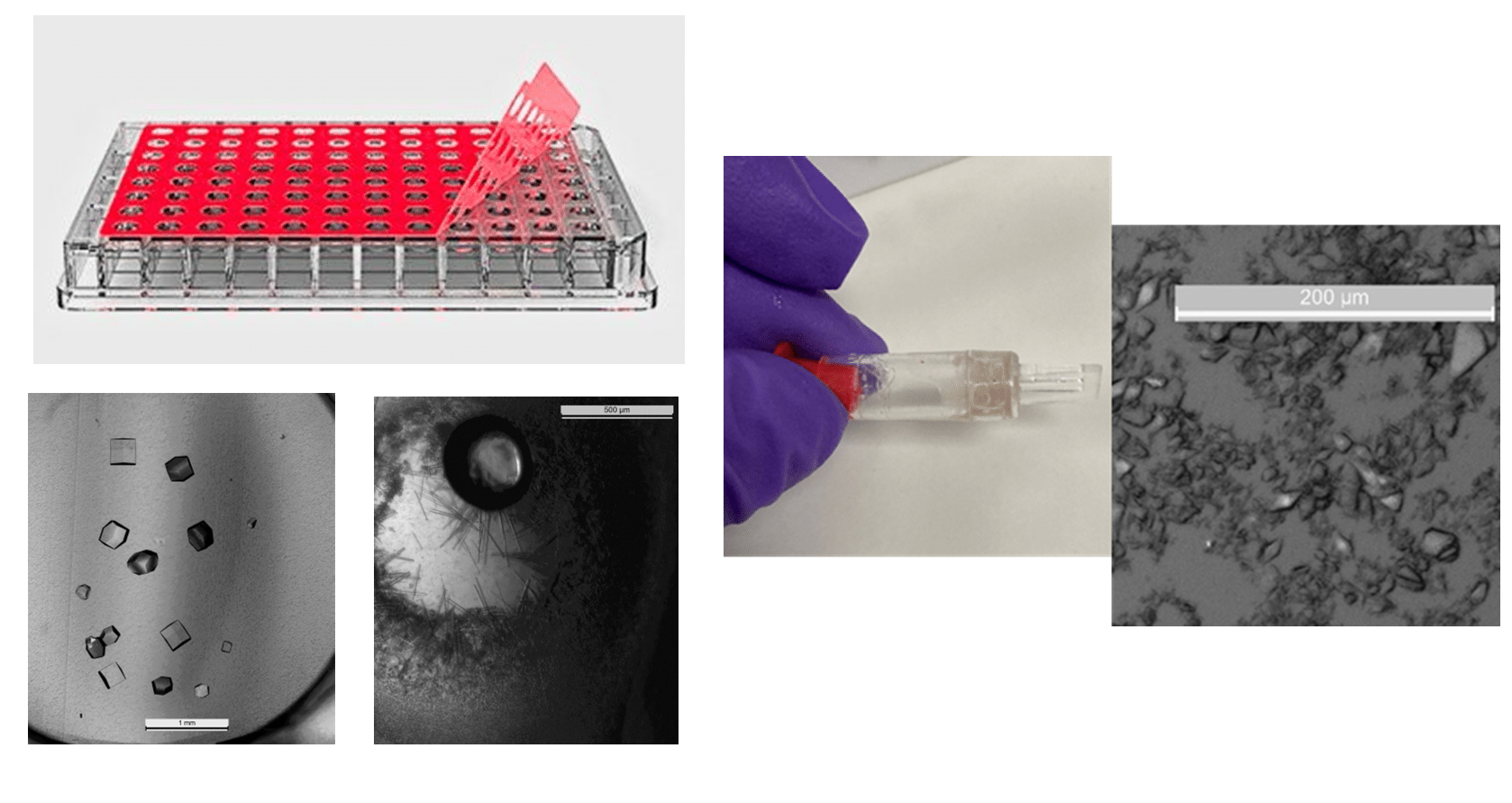
NPL and SWISSCI complete a successful Measurement for Recovery (M4R) project with breakthrough results in crystallisation.
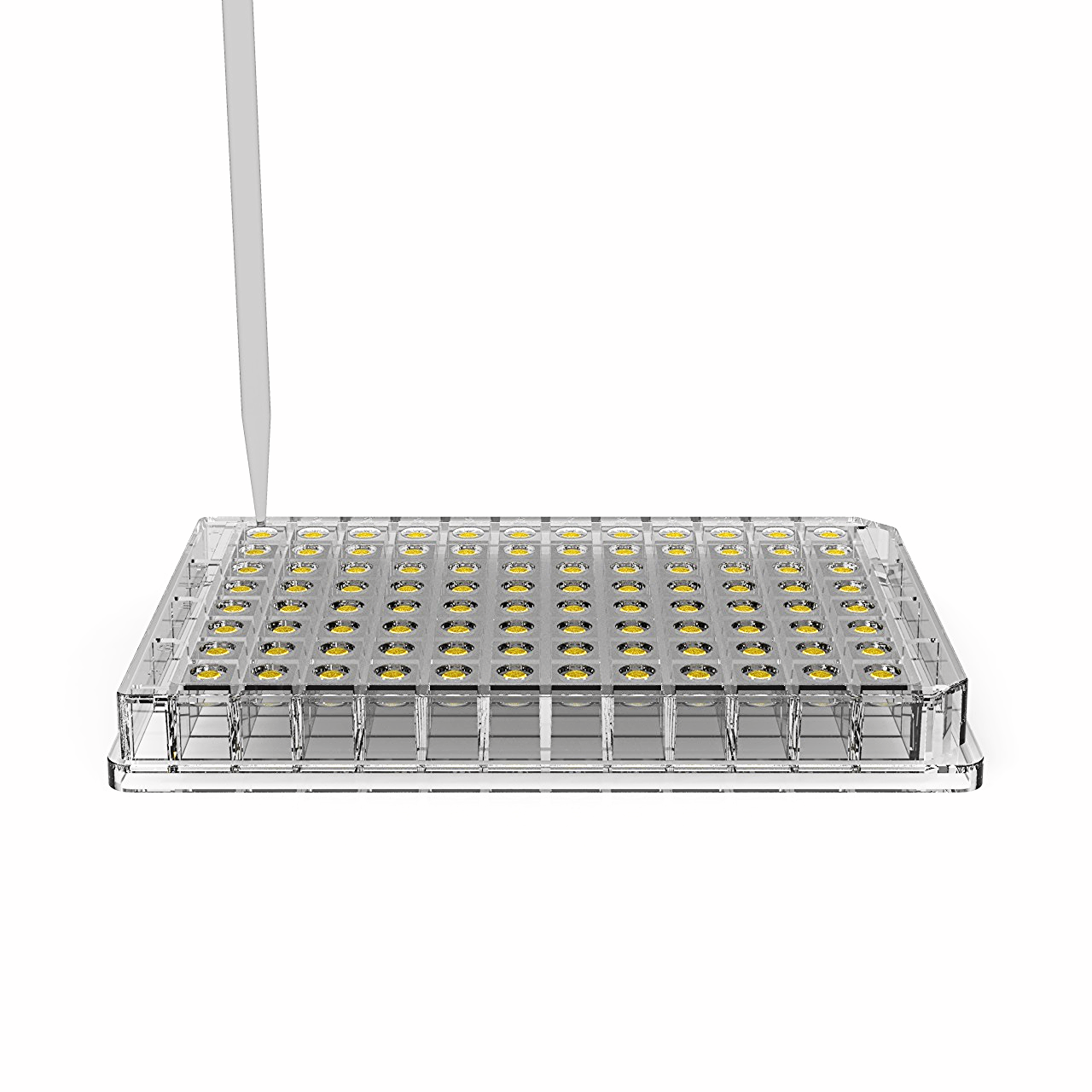
SWISSCI in collaboration with Dr Isabel Moraes, a Principal Research Scientist from NPL, have recently completed a successful M4R project to explore dialysis as an alternative method to established high throughput protein crystallography methodologies.

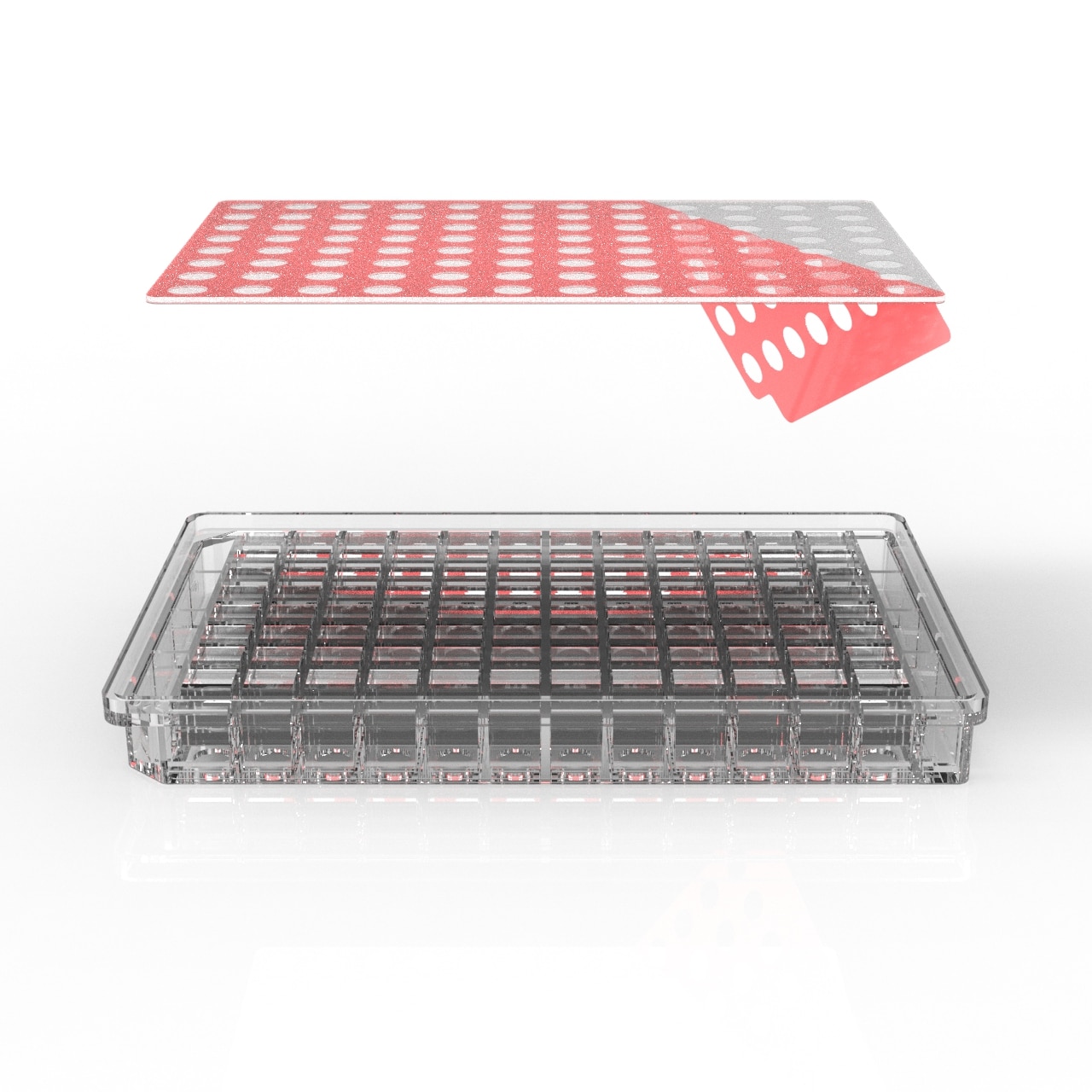
Using the Diaplate™, a SWISSCI manufactured 96 well high throughput dialysis plate, the NPL science team were able to demonstrate dialysis as a reliable high-throughput method for macro-molecular crystallisation by successfully crystallising 4 different proteins, including 2 membrane proteins.

The membrane proteins crystallised four-fold faster than using any other technique and produced high quality crystals. This data suggests that high-throughput dialysis may have some distinct advantages over other methods and is very simple to employ.

Tristan Kwan of NPL, who performed many of the experiments commented

“Accelerated crystal growth was among some interesting findings and a very welcome surprise. We will employ the technique to expand on the range of crystallisation methods we use in the lab”.

For all the proteins tested, the team were able to grow a high density of microcrystals in certain conditions. Furthermore, the yield of crystals was able to be increased by scaling up the experiment using a higher volume, standalone, SWISSCI manufactured dialysis device, the Diacon™.


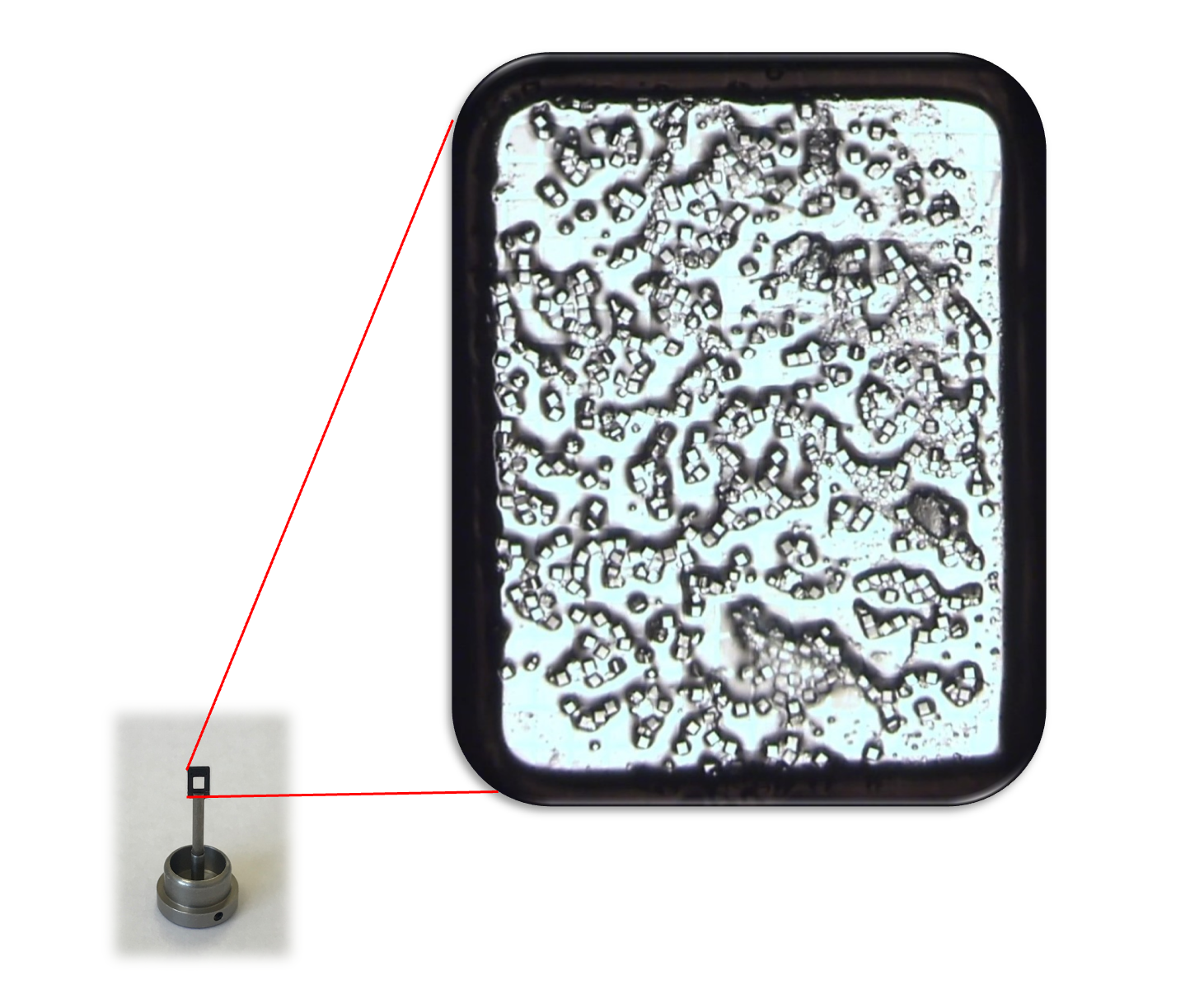
The results of these experiments indicate that dialysis is an effective method for high throughput protein crystallography and it can be considered as a viable complementary method to the established crystallisation technologies. Initial findings also indicate that it could be a method of choice for production of micro/nano crystals for modern data collection methods including serial crystallography at microfocus beamlines / XFEL’s and MicroED.

NPLlogo

SWISSMX CM Supports

Newzoompicsq

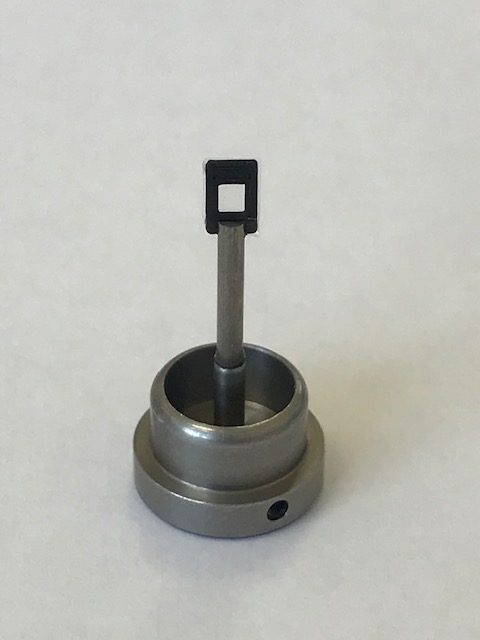
SWISSCMX CM Supports are an innovative support for serial data collection from micro-crystals

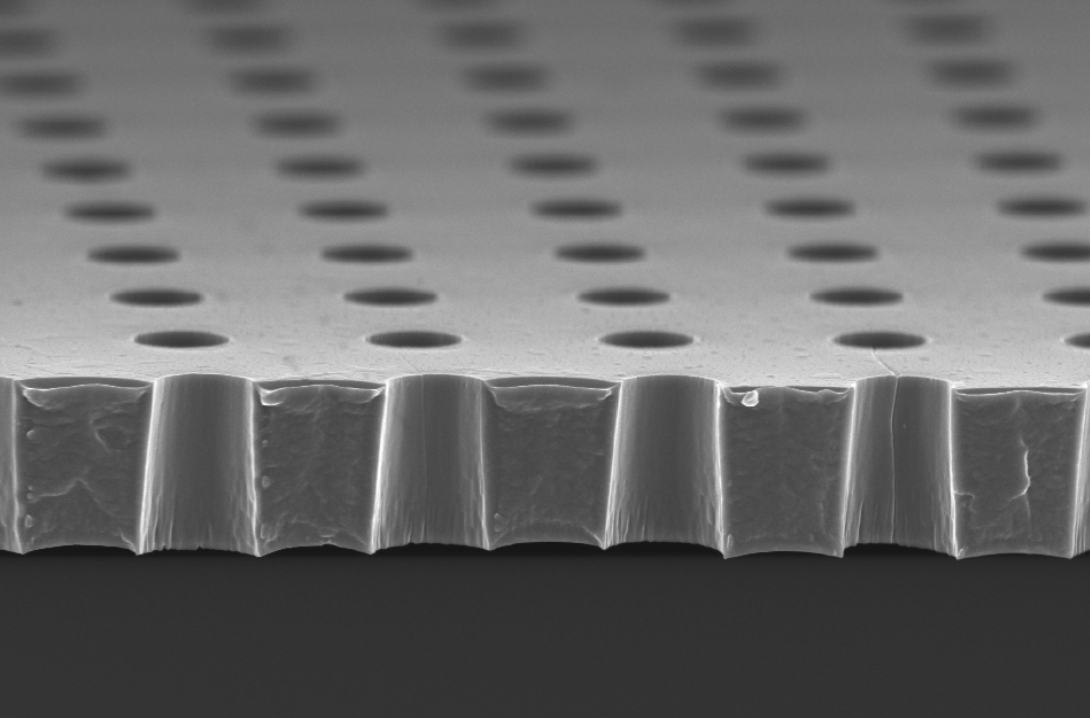
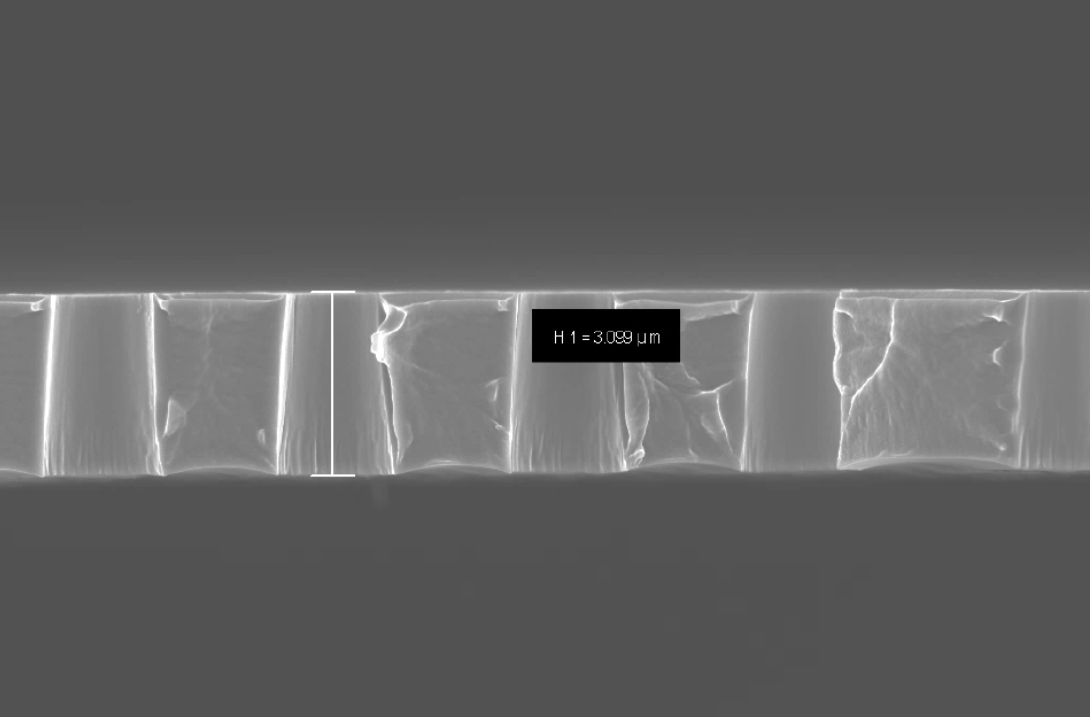
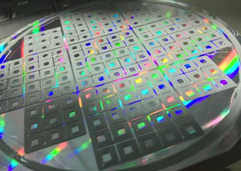
The SWISSMX CM supports are designed for high throughput serial data collection from micro-crystals at synchrotrons and XFELS. SWISSMX CMs are designed and engineered by scientists of the Macromolecular Crystallography group and the Laboratory of  Micro and Nanotechnology at the Paul Scherrer Institute in collaboration with the Institute of Polymer Nanotechnology at Fachhochschule Nordwestschweiz.  The polymer-based ultra-thin porous membranes present users with an effective and accessible product for use at MX beamlines.

SWISSMX CM Supports Low Background Ultra Thin Porous Membranes

  • Amorphous COC (Cyclic Olefin Copolymer) for low X-ray scattering
  • Microfabricated film with imprinted perforations

Blotting Function

  • Easy deposition of drop-scale samples
  • Efficient blotting to minimize background
  • Hydrophilic surface properties help to retain a thin hydration film around the crystals

Designed to be used at cryogenic temperatures

  • Dimensions designed for fitting in standard (cryo)streams
  • Flash-cooling possible in cryojet or liquid nitrogen
  • Room temperature use possible: compatible with humidifying jets, enclosure possible

Extensive Compatibility

  • SPINE base or ALS style base
  • Compatible with Uni-puck and with SPINE pucks (cryovial)
  • Compatible with a number of sample changers including the new TELL at Swiss Light Source and SwissFEL SwissMX

Additional Benefits

  • High transparency for excellent visibility and imaging
  • Built-in 100 µm period scale

Link to a publication detailing the fabrication of SWISSMXCM Supports: Fabrication of ultrathin suspended polymer membranes as supports for serial protein crystallography Author links open overlay panel


Contact: sales@swissci.com


SWISSCI Plates: Improvements in Imaging with UVXPO

UVXPO Test

UVXPO: Our Most Advanced Polymer

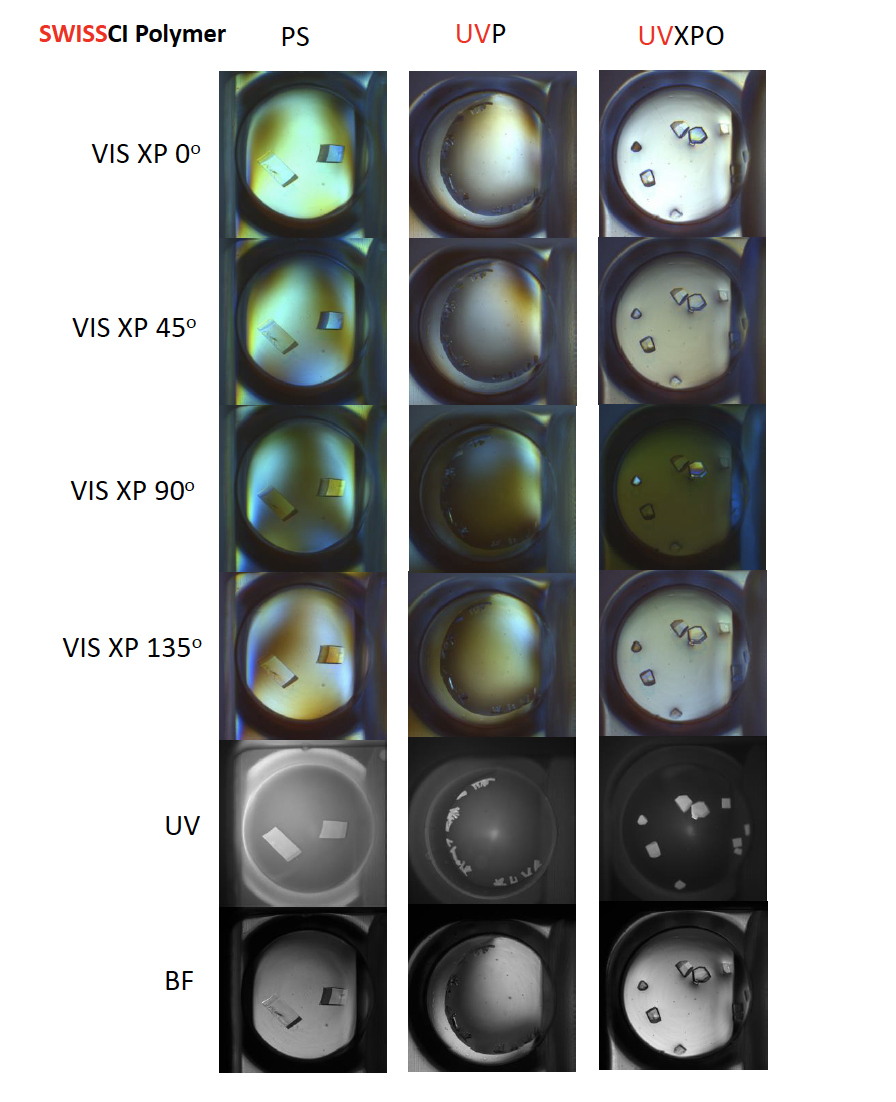
SWISSCI crystallisation plates are available in 3 polymers.  Polystyrene (PS) is a cost-effective polymer that Is optically clear when using standard bright field or visible light sources. However, when imaging drops using both cross polarised (XP) and UV light, the quality of the image is impaired by the interaction of the polymer with the light source.

SWISSCI’s UVP polymer has been designed to reduce the auto-fluorescence coming from the plate, improving the UV image quality. 

SWISSCI’s UVXPO polymer also has the same low auto-fluorescence while also showing uniform zero background when imaging using cross-polarised light. This makes it our most advanced polymer to date.


More information:
sales@swissci.com

SWISSCI 3-Lens Midi UVXPO Plate

3lens2 1920 1024x576

SWISSCI 3-Lens Midi UVXPO Plate

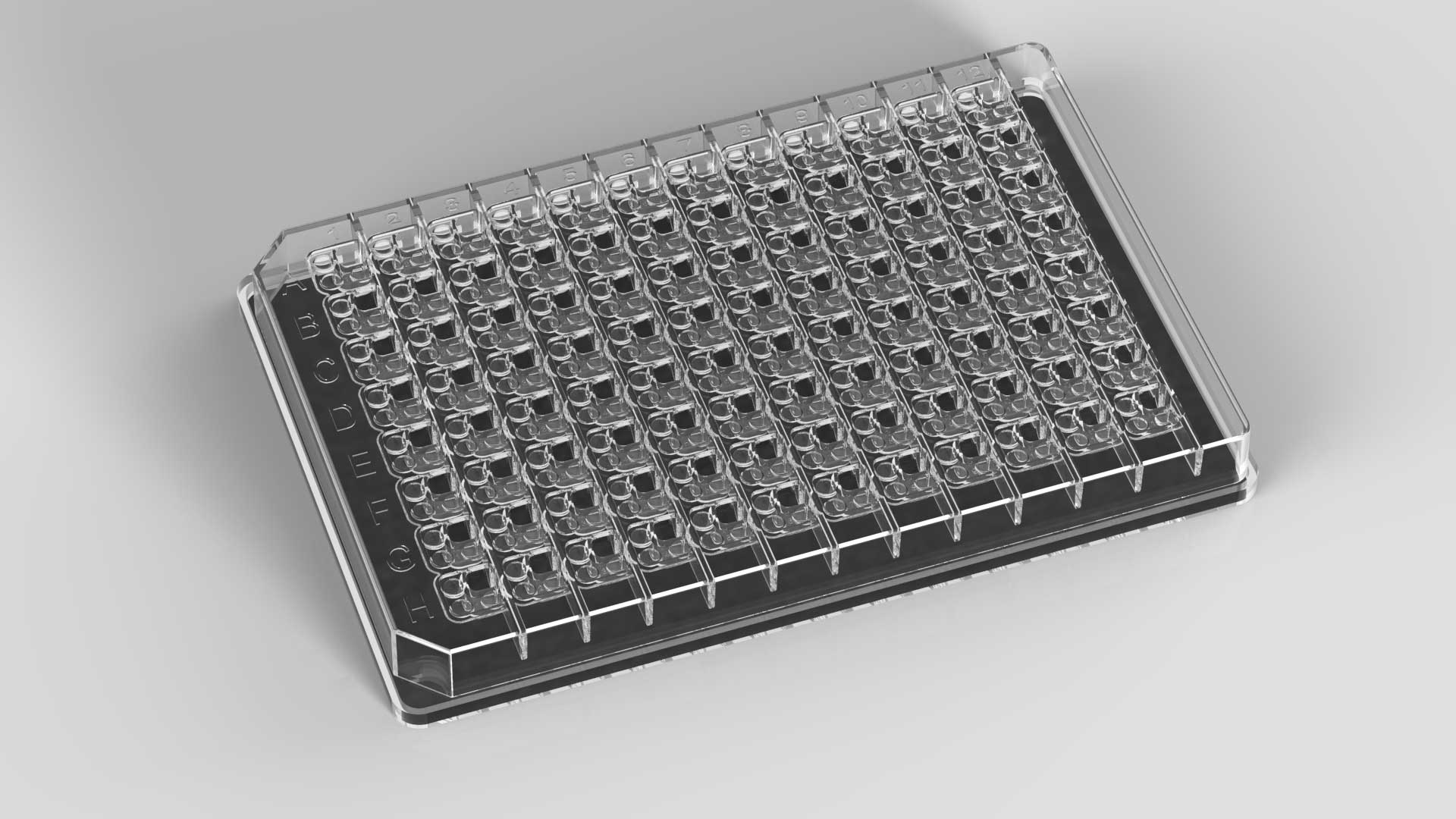
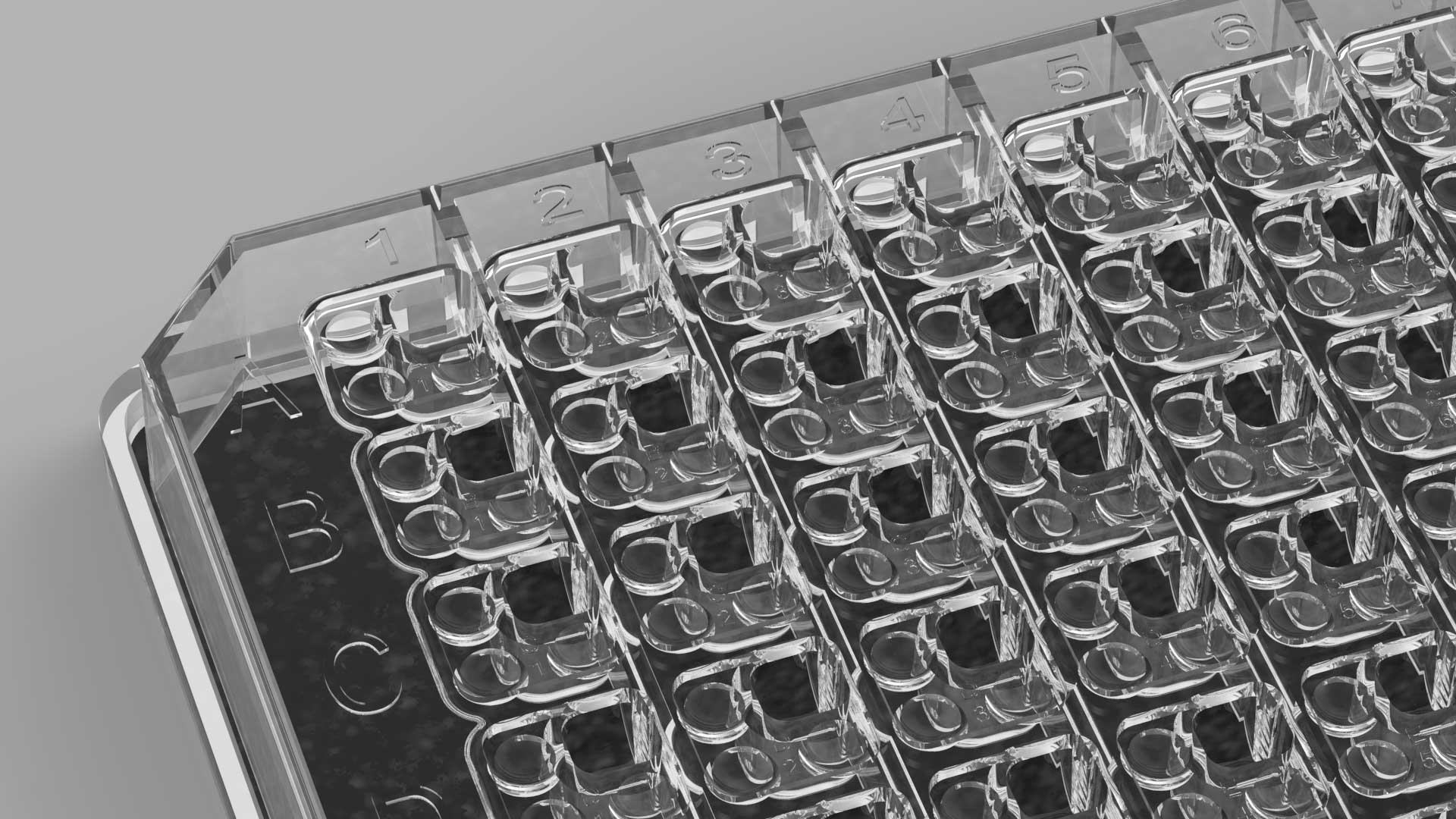
After great success with the launch of the 2-Lens UVXPO Plate, SWISSCI are pleased to announce our 3-Lens Midi Plates are now also available in UVXPO, Product

Code: UVXPO-3LENS.

UVXPO is a new polymer mixture specially formulated so that crystals can be viewed in UV, Polar, and Visible light. UVXPO is short for UV compatible as well as excelling uniform (zero) background when using cross polarised light.

More information:
sales@swissci.com